Commercial Pilot License - Immokalee Regional Airport, Florida
Commercial Pilot License (CPL)
In Immokalee Regional Airport, Florida
Take the next step toward your career as a commercial pilot with Pilot Path. Earning your Commercial Pilot License (CPL) is a key stage for pilots aiming to fly professionally. Whether your goal is to become an airline pilot, cargo pilot, or work in private aviation, the CPL opens doors to a world of opportunities. At Pilot Path, our modular training system ensures that your CPL training is flexible, structured, and tailored to suit your individual needs.
63 Hours of Ground Instruction (Including Pre/Debriefing)
FAA Check Ride with Examiner
Landing Fees, Fuel Fees, and Instructor Fees
Gleim PPL Kit
Access to Pilot Path Personal Engagement Manager
GIVE THE GIFT OF FLIGHT!
Want to inspire someone special with an unforgettable experience? Choose our gift voucher option to let them schedule their flight at a time that suits them. Perfect for those who want to give the excitement of flight without selecting a date in advance.
Product not found.
Total of 120 Flight Hours in a Cessna 172
63 Hours of Ground Instruction (Including Pre/Debriefing)
All landing, fuel surcharge and instructor fees included
The Commercial Pilot License (CPL) allows you to be paid for your flying skills, opening up a range of career options in aviation. Here’s why earning your CPL with Pilot Path is the key to unlocking your aviation future:
Fly Professionally: The CPL qualifies you to work as a commercial pilot, transporting passengers or cargo, working in aerial surveying, or flying for charter services.
Progress to Airline Careers: The CPL is a critical step if you plan to become a first officer or captain with an airline.
Master Advanced Flying Skills: The CPL program includes advanced flight maneuvers, navigation, and decision-making, preparing you to handle more complex flying environments.
Support
Here's why you should choose Pilot Path
From day 1, get access to a DEM (designated engagement manager) who will support your journey from your trial lesson all the way to commercial training.
Post training interview workshops and CV prep ensuring you land your dream airline job
Stay ahead with the latest industry news, regulatory changes, and advancements in aviation technology
Staff at Pilot Path understand your unique needs and create a customized plan to ensure your success in the aviation industry.
Connect with leading aviation companies and training institutions, opening doors to valuable networking opportunities and potential employers.
Aircraft
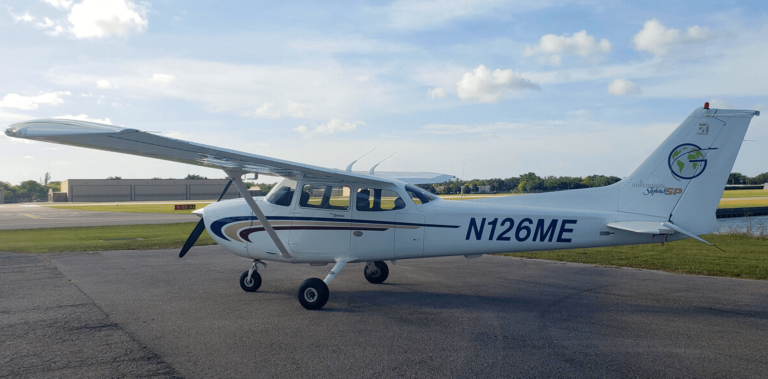
Advantages of Completing Single Engine CPL Training in the Cessna 172
The Cessna 172 stands as a prime training aircraft for aspiring commercial pilots, offering a blend of reliability, accessibility, and performance that is unmatched in the aviation training industry. Here are the key advantages of conducting your Single Engine Commercial Pilot License (CPL) training in this iconic aircraft:
Proven Reliability: The Cessna 172 is renowned for its durable construction and dependable performance, providing a stable learning environment where student pilots can focus on honing their skills without concerns about the aircraft’s capabilities.
Forgiving Flight Characteristics: With its gentle handling and forgiving nature, the Cessna 172 makes an ideal training aircraft for commercial pilots. It offers predictable responses to control inputs, which is crucial for students learning the precision required for commercial operations.
Widespread Recognition: Training in the Cessna 172, an aircraft known and respected globally, prepares pilots for a smooth transition into commercial aviation careers, as its systems and handling characteristics are well understood by airlines and charter services worldwide.
Comprehensive Training Experience: The cockpit of the Cessna 172 is equipped with a blend of traditional and modern avionics that provide students with a comprehensive learning experience, combining classic piloting techniques with contemporary navigational technology.
Cost-Effectiveness: The Cessna 172 is economically efficient regarding fuel consumption and maintenance costs, making it a cost-effective choice for the intensive training required for a CPL. This translates to more accessible training for students without compromising the quality of instruction.
Training in the Cessna 172 for your Single Engine CPL not only builds a solid foundation of flying skills but also instills confidence that comes from piloting the most trusted aircraft in the training sector.
While earning your Commercial Pilot License is a major accomplishment, it’s important to understand that it is not the final step before you can apply for airline jobs. Here’s what comes next:
Build Flight Hours as a Certified Flight Instructor (CFI) Most airlines require a minimum of 1,500 hours of flight experience before you can be hired as a first officer. One of the most common ways to build these hours is by becoming a Certified Flight Instructor (CFI). This allows you to teach student pilots while logging flight hours.
Earn Your Multi-Engine Rating (MER) For most commercial and airline jobs, you’ll also need a Multi-Engine Rating (MER), which certifies you to operate aircraft with more than one engine. This training focuses on handling multi-engine aircraft, engine-out procedures, and performance differences.
Airline Transport Pilot (ATP) License Finally, to qualify for an airline job, you’ll need to obtain your Airline Transport Pilot (ATP) License. This is the highest level of pilot certification and qualifies you to serve as a captain or first officer with an airline.
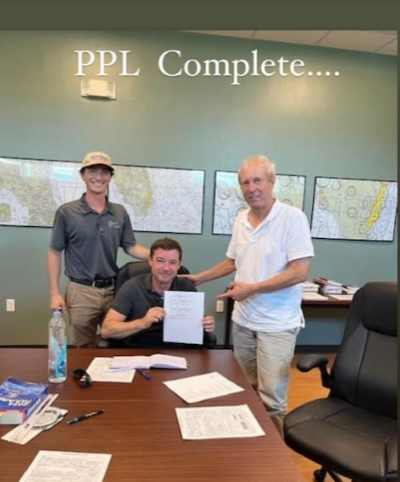
I recently completed my Private Pilot License (PPL) training in Florida
I recently completed my Private Pilot License (PPL) training in Florida with Pilot Path and Global Flight Training Solutions (GFTS), and I can confidently say it was one of the best decisions I’ve ever made. Traveling from Ireland, I was initially nervous about such a big step, but from start to finish, the entire experience was seamless and incredibly rewarding. The team at Pilot Path made the entire process stress-free, from helping with the visa arrangements to organizing accommodation near the Immokalee Regional Airport. The accommodation was comfortable, well-maintained, and close to all the training facilities, which made settling in so much easier.
GFTS exceeded my expectations as a training provider. The instructors were knowledgeable, patient, and genuinely invested in my progress. The modern facilities, aircraft, and structured curriculum made every step of the journey enjoyable and productive. Pilot Path’s guidance and support throughout my training were invaluable. They ensured I had everything I needed to succeed, from pre-departure checklists to ongoing communication during my stay. Their commitment to student success truly sets them apart.
If you’re considering a career in aviation, I can’t recommend Pilot Path and GFTS enough. The combination of excellent training, a supportive environment, and Florida’s flying conditions makes this the ideal place to fast track your training. Thank you to the entire team for such a fantastic experience—I’ll always look back on this journey with gratitude!
Brendan Grogan
Private Pilot
“
Fast track PPL in Florida
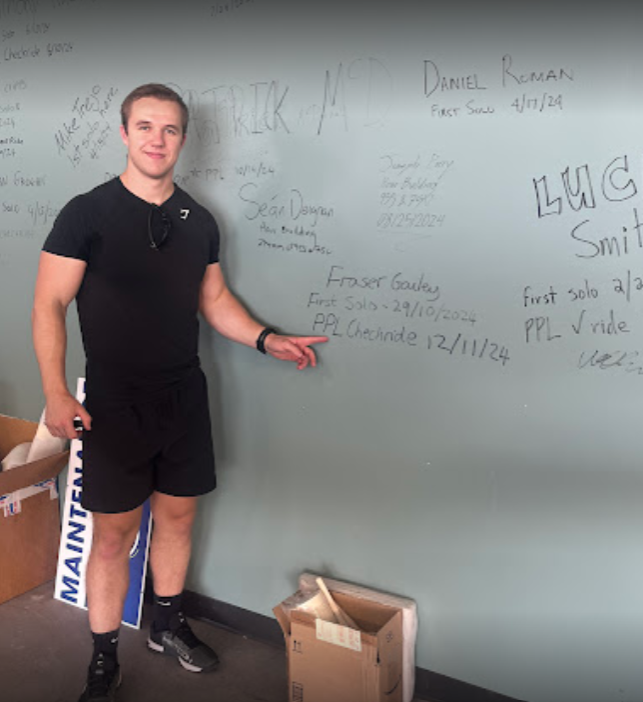
Great experience with pilot path. I did the Fast track PPL in Florida and they made the whole process very simple. I was able to complete my PPL in 5 weeks having basically no previous flying experience .
Would definitely recommend
Fraser Gailey
Private Pilot
Pilot Path
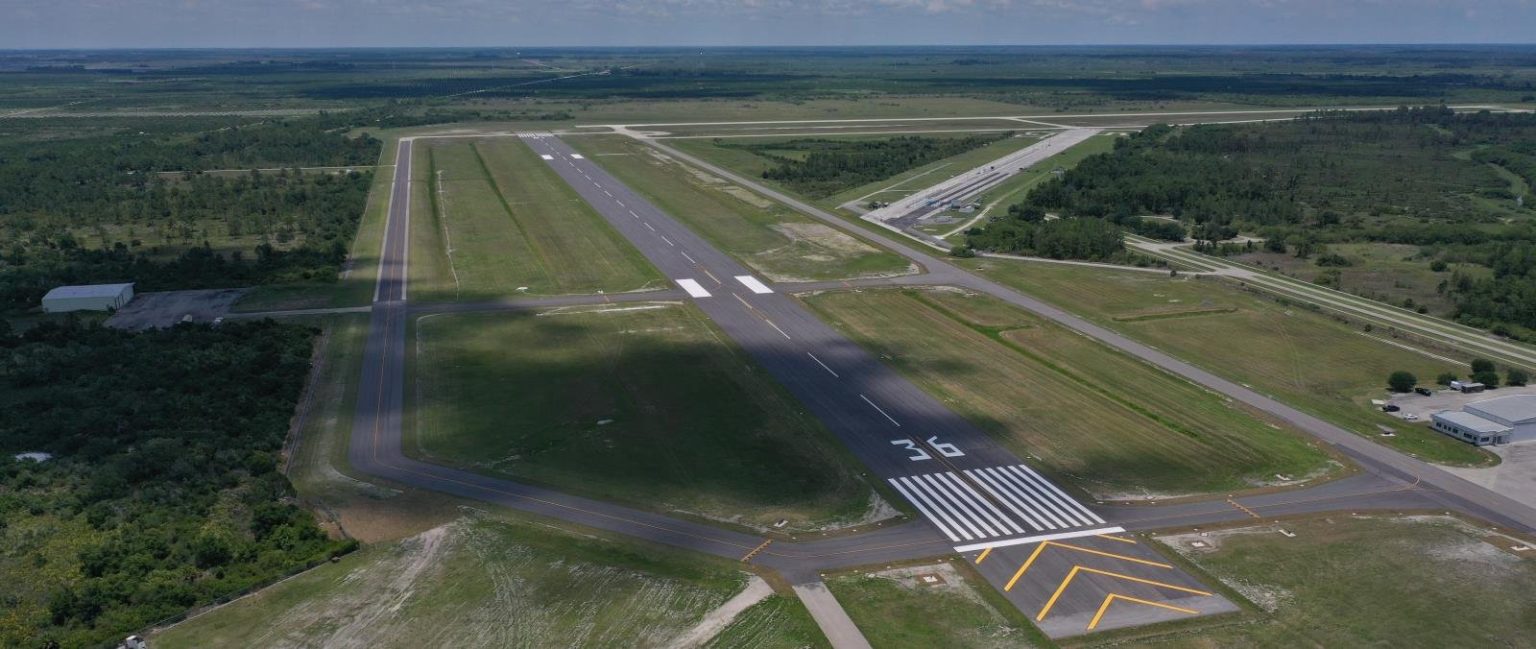
Why Train at Immokalee Regional Airport?
Located in the heart of Southwest Florida, Immokalee Regional Airport provides an ideal setting for multi-engine training. The airport offers:
Uncongested Airspace: Allows for a focus on training without the stress of busy traffic, making it easier to schedule and execute the necessary complex maneuvers and procedures required for multi-engine mastery.
Diverse Flying Conditions: Take advantage of Florida’s varied weather to gain experience in a range of flying conditions—an essential aspect of multi-engine training.
Proximity to Both Rural and Urban Settings: Offers a mix of scenic cross-country opportunities and the experience of busier airspaces, essential for any commercial pilot.
Commercial Pilot License FAQS
Frequently Asked Questions?
What is the Commercial Pilot License (CPL)?
The Commercial Pilot License allows you to be paid for your flying skills. It’s a crucial step toward becoming a professional pilot and is required for anyone seeking to fly commercially.
How long does it take to complete the CPL?
The CPL can be completed in as little as 3 months or spread out over 6, 9, or 12 months depending on your personal, professional, and financial circumstances.
What comes after the CPL?
After earning your CPL, you’ll need to build 1,500 hours of flight experience, often by becoming a Certified Flight Instructor (CFI). You’ll also need to earn your Multi-Engine Rating (ME) for most airline jobs. An Airline Transport Pilot (ATP) License is the final step before applying for airline jobs.
What aircraft will I be flying for CPL training?
You’ll be training in a Cessna 172 aircraft, a reliable, high-performance model ideal for commercial pilot training.
How much does the CPL Package cost?
The cost of this training package is $31,800.
How do I enroll in the CPL training program?
You can get started by contacting us through our website, phone, or filling out our contact form below. Our team will guide you through the enrollment process and provide all the necessary details.