
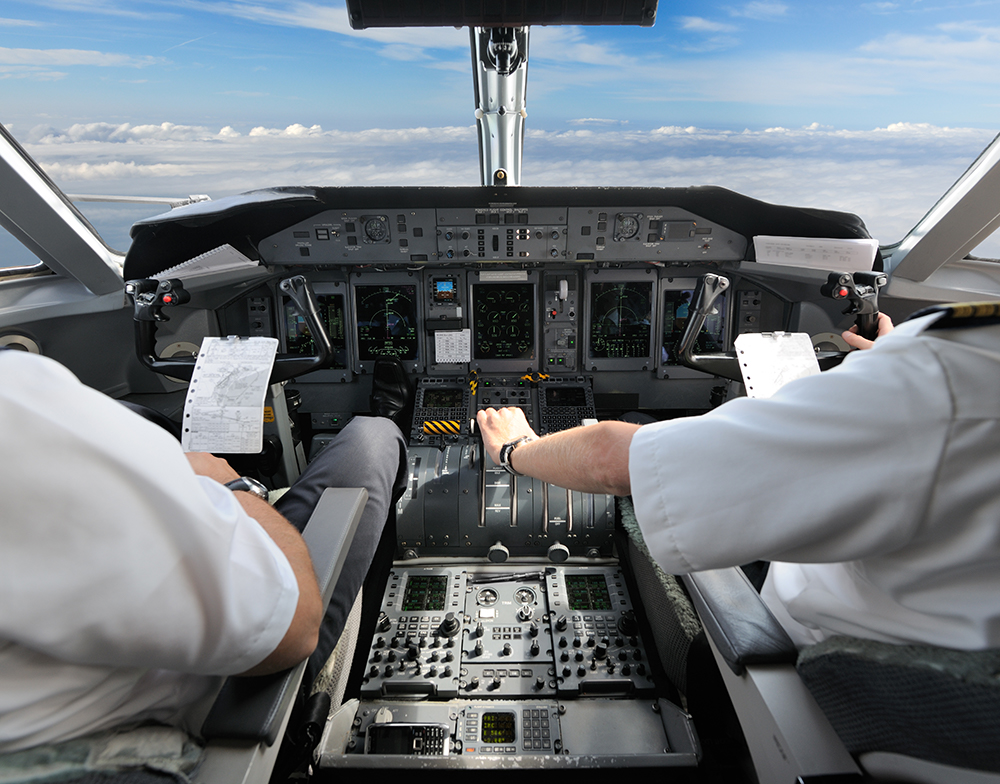
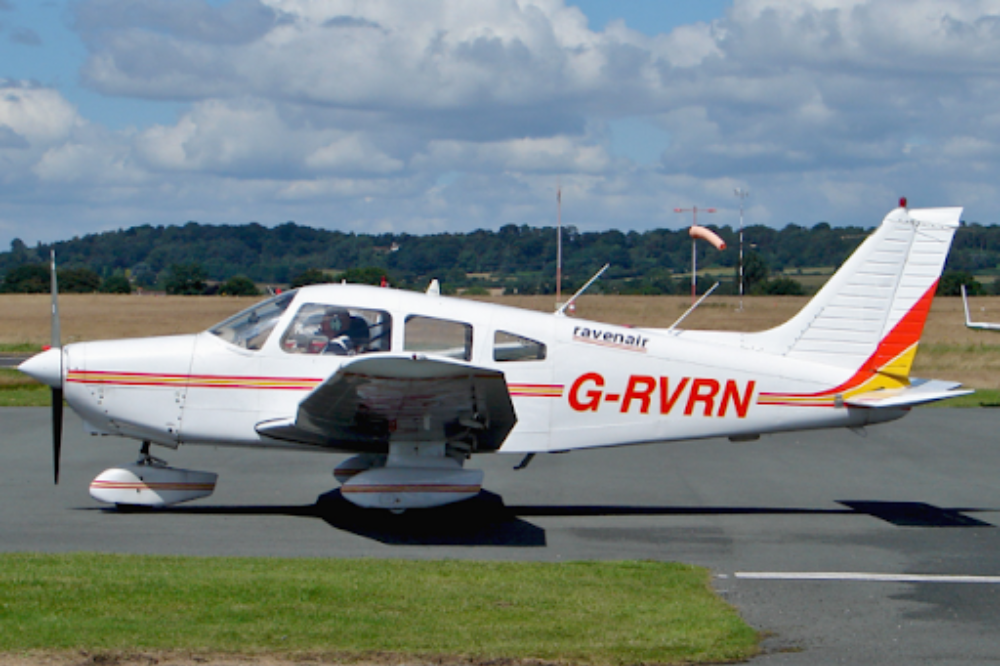
The first step of your Pilot Journey will be an Introduction to Flight. This introduction is used to give all prospective student pilots their first taste of pilot training. The Introduction to Flight includes 45 minutes of instructed flight in our Piper PA38/28 aircraft with a dedicated flight instructor and covers technical aspects such as taxiing, basic trimming and primary/secondary effects of control. Also included are both your pre-flight and post-flight briefings.
During your Introduction to Flight, you will also receive a comprehensive tour of the facility as well as an in-depth discussion with a member of the team covering all things pilot training.
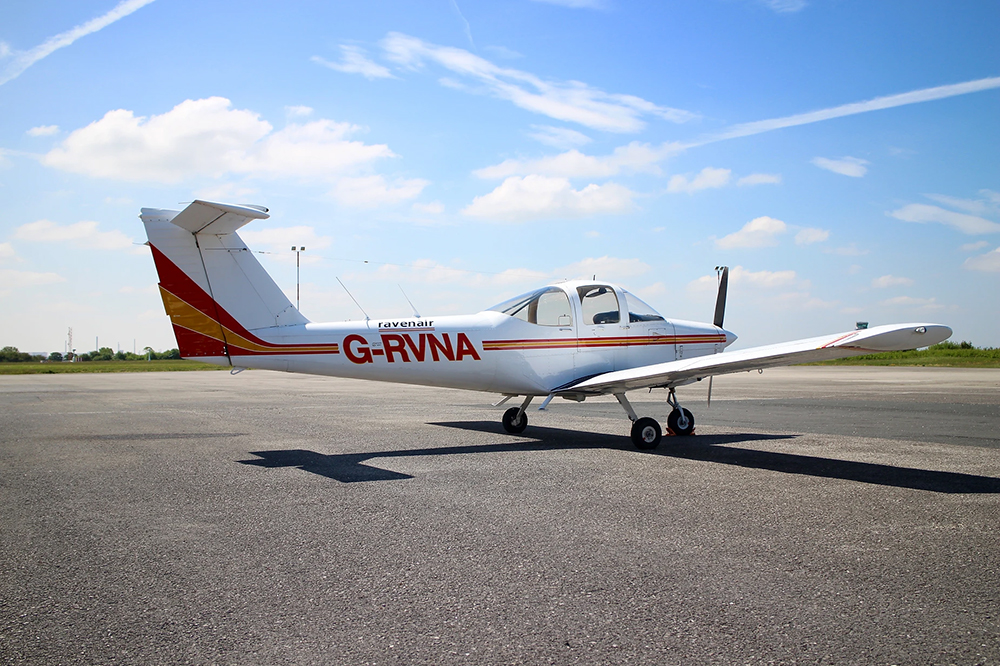
The Private Pilot Licence (PPL) is the first major step in your pilot training journey. To obtain a PPL, students must meet eligibility requirements such as minimum age, medical certification, and English proficiency. Training includes both ground school and practical flight training.
Ground school covers subjects like air law, meteorology, navigation, aerodynamics, and flight planning, followed by official theoretical exams. Flight training is conducted with a certified instructor and includes aircraft handling, take-offs, landings, navigation, and emergency procedures.
Students must complete a minimum of around 45 flight hours, including solo and cross-country flights. The final step is a checkride with an examiner to demonstrate flying ability and knowledge. Training must be completed through an approved flight school to meet aviation authority standards.
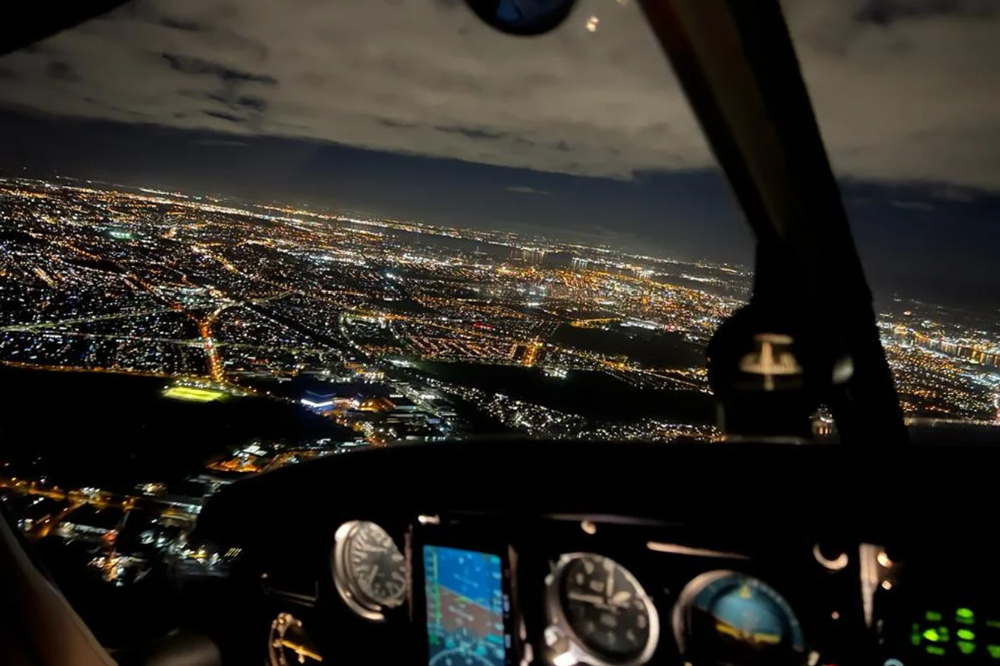
As per the Civil Aviation Authority (CAA) definition, a night rating allows a pilot to fly at night exercising visual flight rules (VFR). If a pilot wishes to fly at night using instrument flight rules (IFR) they are also required to have an instrument rating. The night rating is non-expiring (it has lifetime validity). In order to complete the final stage of your modular pilot training journey, a night rating must be completed. Below is the minimum requirements involved in the night rating training course:
A minimum of 5 hours of flight training, of which:
3 hours must be dual.
Cross country flight of minimum 27NM must be completed
5 full stop take offs and landings as PIC solo
There is no test at the end of the night rating course.
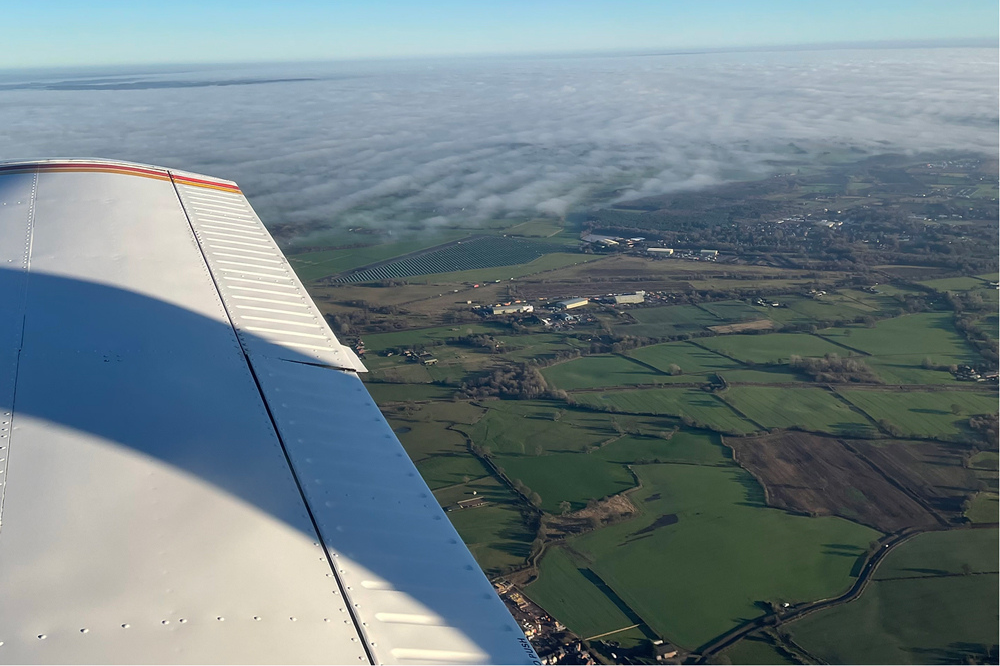
The ATPL Theory and Hour Building stage combines both theoretical study and practical flying experience. Students must complete 13 ATPL subjects including Air Law, Meteorology, Navigation, Flight Planning, Human Performance, and Aircraft Knowledge.
Most theoretical study is completed online, supported by in-person classes every 3–4 weeks through Bristol Ground School for additional guidance. Alongside exams, students are required to build a minimum of 100 hours of Pilot-in-Command (PIC) flight time, where they take full responsibility for flight operations and safety.
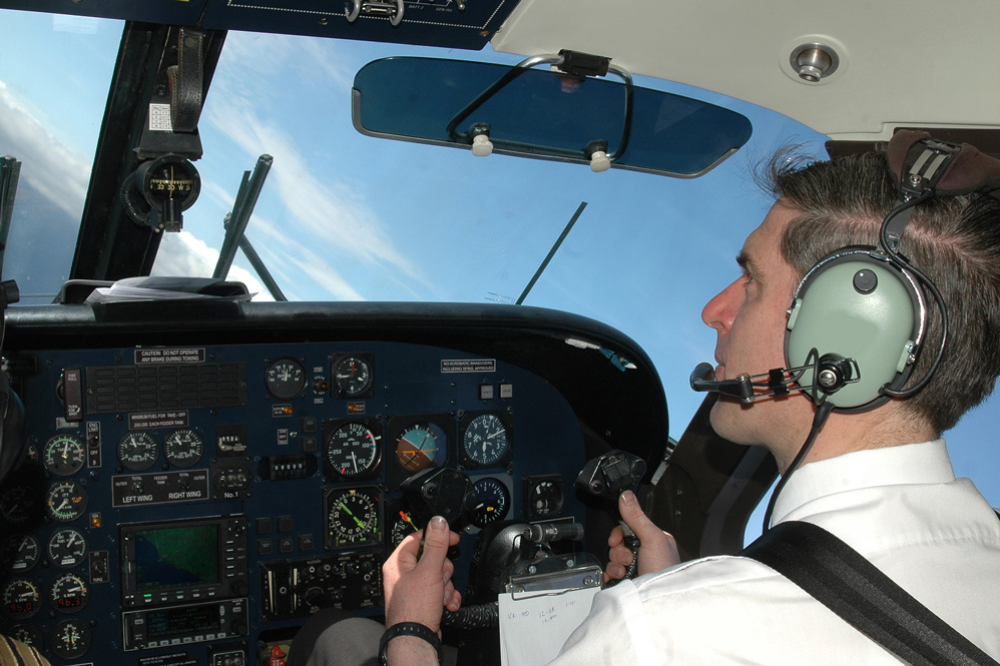
After completing the PPL, the next training stages depend on your licence path (CAA/EASA) and prior experience. Your training plan is structured to be efficient and cost-effective, guided by your Pilot Path advisor.
This phase includes Multi Engine Piston (MEP) training (7 hours ground school, 6 hours flight), Multi Engine Instrument Rating (MEIR) with up to 45 hours of instrument training, and the Commercial Pilot Licence (CPL), requiring 15–25 flight hours depending on prior qualifications.
Students also complete Upset Prevention & Recovery Training (UPRT-A), a 3-day course including ground school and flight training. All training is subject to regulatory updates.
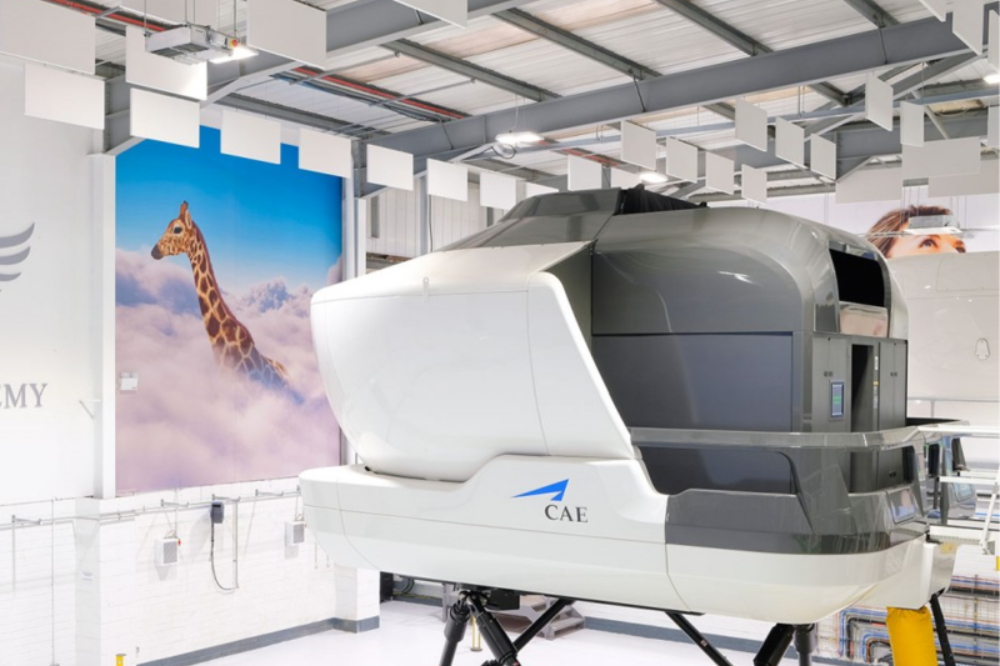
The final stage of training is the Multi Crew Cooperation (MCC) course, required before starting a multi-pilot type rating. Many students complete the Airline Pilot Standard (APS MCC), an advanced version preferred by most airlines.
This course includes CBT learning, classroom theory, and extensive simulator training with briefing and debriefing sessions. The APS course provides enhanced preparation for airline operations and concludes with a final assessment, making graduates more job-ready for airline careers.